


.jpg)
Macro
Infrastructure
News Analysis
March 2, 2026

SEC ปลดล็อก Stablecoin ปี 2026 เปลี่ยน Stablecoin เป็น Digital Cash ที่ถูกต้องตามกฎหมาย
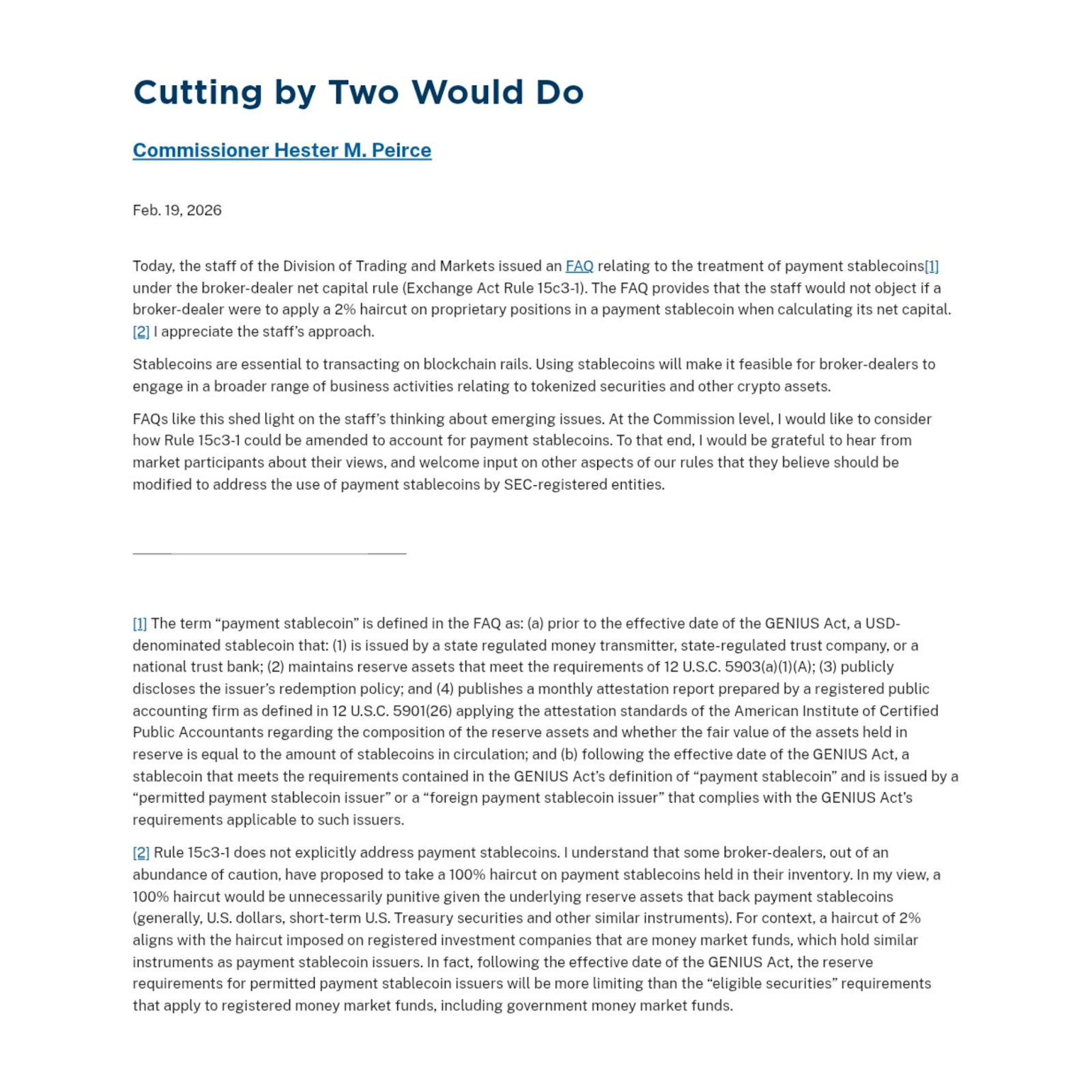
หนึ่งข่าวใหญ่ของวงการคริปโตฯ คือการประกาศของ SEC เมื่อวันที่ 19 กุมภาพันธ์ 2026 ที่เป็นการการ Re-classify สถานะของ Stablecoin ให้กลายเป็นสินทรัพย์สภาพคล่องคุณภาพสูง (High-Quality Liquid Asset) เทียบเท่ากับกองทุนตลาดเงิน (Money Market Funds) สำหรับให้ TradFi เข้ามาใช้งานได้มากขึ้น ทำให้ในระยะยาวน่าจะเป็นการส่งเสริมการ Adoption ของ Stablecoin ไปอีกขั้นได้
การประกาศในครั้งนี้มีรายละเอียดยังไงบ้าง รวมถึงจะส่งผลกระทบต่อวงการคริปโตฯยังไง วันนี้เราจะมาเล่าให้ฟัง
ในโลกของสถาบันการเงิน (Broker-dealers) การถือสินทรัพย์ใดๆ จะต้องมีการกันเงินสำรองตามความเสี่ยงที่หน่วยงานกำกับดูแลกำหนด (Rule 15c3-1)
อย่างไรก็ตาม ไม่ใช่ทุก Stablecoin จะสามารถเข้าตามเกณฑ์ใหม่ได้ โดย SEC ได้กำหนดเงื่อนไขที่เข้มงวดเพื่อให้มั่นใจว่าสินทรัพย์นั้นมีความปลอดภัยสูงและมีสภาพคล่องจริง ตามกฎหมาย GENIUS Act ที่ผ่านการลงนามบังคับใช้เมื่อกลางปี 2025 และกำลังเข้าสู่ช่วงการบังคับใช้จริง (Implementation Phase) คาดว่าในปี 2026 นี้:
โดยแนวโน้มในอนาคตภายใต้ GENIUS Act คาดว่า SEC จะต้องมีการกำหนดเกณฑ์ Qualified Stablecoin เพื่อคัดเลือกเหรียญที่เข้าเงื่อนไข นอกจากนี้เราอาจจะได้เห็นสถาบันการเงินยักษ์ใหญ่อย่าง Fidelity หรือธนาคารพาณิชย์อื่นๆ กระโดดเข้ามาออก Stablecoin ของตัวเองเพื่อให้สอดคล้องกับมาตรฐานใหม่นี้ด้วยที่เป็นหนึ่งในผลบวกต่อตลาด นอกจากนี้ยังมีผลกระทบด้านบวกอื่นๆ ซึ่งจะพูดถึงในช่วงท้ายของบทความ
ในพาร์ทต่อไป เราจะไปดูภาพรวมกลุ่ม Stablecoin ว่าที่ผ่านมามีแนวโน้มเป็นอย่างไรบ้าง รวมถึงวิเคราะห์ว่า Stablecoin ตัวไหนน่าจะได้ประโยชน์สูงสุดจากการเคลื่อนไหวครั้งนี้
ปัจจุบันตลาด Stablecoin มีมูลค่าตลาดรวม (Total Market Cap) สูงขึ้นอย่างต่อเนื่อง โดยในปี 2025 ที่ผ่านมา ตลาด Stablecoin มี Total Market Cap พุ่งทะลุหลัก 300,000 ล้านดอลลาร์ ไปเรียบร้อยแล้ว (เพิ่มขึ้นเกือบเท่าตัวจากต้นปี 2024 ที่อยู่ราว $130B)
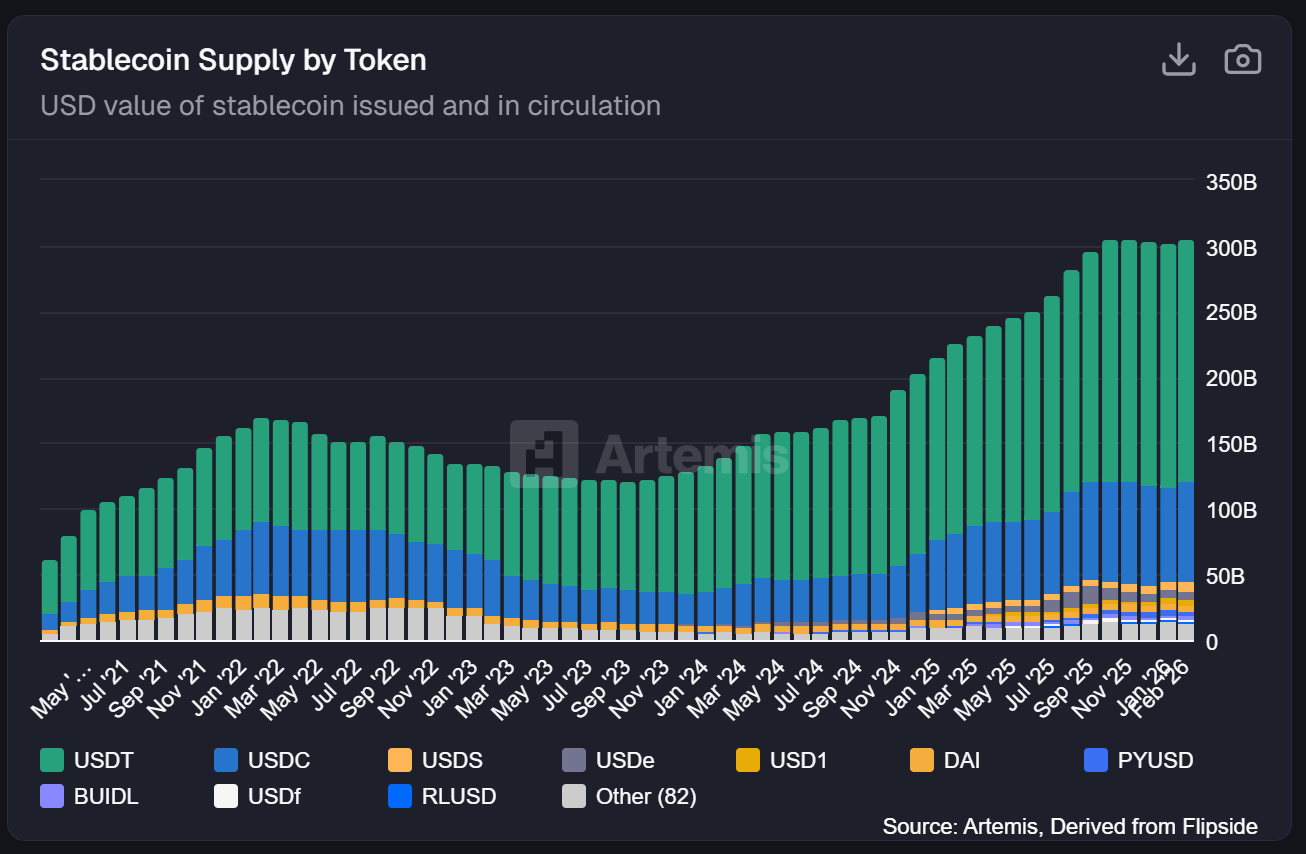
ถ้าเจาะไปดูรายตัวจะเห็นว่า USDC มีอัตราการเติบโตสูงที่สุดถึง 73% โดยมี Market Cap พุ่งขึ้นมาแตะระดับ $75,000 ล้าน (จากเดิมราว $43,000 ล้าน) ส่วน USDT ที่แม้จะโตช้ากว่าที่ 36% แต่ยังคงรักษาตำแหน่งพี่ใหญ่ด้วย Market Cap สูงถึง $186,000 ล้าน
นอกจากนี้ ยังมีตัวเล็กที่โตแบบก้าวกระโดด อย่าง PYUSD (PayPal) ที่เติบโตอย่างรวดเร็วจากการใช้งานในระบบชำระเงินของ PayPal และ Venmo โดยเน้นกลุ่มผู้ใช้รายย่อยและร้านค้าในสหรัฐฯ โดยในปี 2025 จนถึงต้นปี 2026 PYUSD มีอัตราการเติบโตของ Market Cap สูงถึงกว่า 1,300% เมื่อเทียบกับช่วงต้นปี 2024
ส่วน Yield-Bearing Stablecoins ซึ่ง ณ ต้นปี 2026 มีมูลค่าตลาดรวมกันทะลุ $15,000 ล้าน ไปเรียบร้อยแล้ว นำโดยยักษ์ใหญ่อย่าง USDS ($6.7B) ที่ให้ผลตอบแทนผ่าน Sky Savings Rate และ USDe ($6.0B) จาก Ethena ที่ใช้กลไก Delta-Neutral รวมถึงเหรียญฝั่งสถาบันอย่าง BUIDL ($1.9B) ของ BlackRock ที่ส่งผ่านผลตอบแทนจากพันธบัตรรัฐบาลสหรัฐฯ มาให้ผู้ถือโดยตรง
ฝั่ง Compliant Stablecoins น่าจะได้ประโยชน์สูงสุดจากการประกาศครั้งนี้ ยกตัวอย่างเช่น:
Circle ได้รับ Licence จาก New York Department of Financial Services (NYDFS) ซึ่งเป็นหนึ่งในกรอบกำกับดูแลที่เข้มงวดที่สุดในสหรัฐฯ Reserve ของ USDC ถูกแยกเก็บเป็น Cash และ US T-bills ล้วนๆ มี Monthly attestation จาก Deloitte ตามมาตรฐาน AICPA และมี Redemption policy ที่โปร่งใสที่สุดในอุตสาหกรรม ส่วนหนึ่งเป็นเพราะ USDC ถูกสร้างมาเพื่อเกณฑ์นี้โดยตรง ตั้งแต่ต้น Circle มีกลยุทธ์ชัดเจนว่าจะเป็น Institutional-grade stablecoin
USD1 เป็น Stablecoin ที่ออกโดย World Liberty Financial (WLFI) บริษัท DeFi ที่มีความเชื่อมโยงโดยตรงกับ Trump family โดย Trump business entity ถือหุ้นประมาณ 60% ของบริษัท
โครงสร้างของ USD1 ถูก Backed 1:1 ด้วย US dollar deposits และ Short-term US Treasuries ซึ่งบริหารจัดการโดย Fidelity Investments โดยมี BitGo Trust Company (บริษัท Trust ที่จดทะเบียนใน South Dakota และอยู่ภายใต้การกำกับดูแลของสหรัฐฯ) ทำหน้าที่เป็น Custodian หลัก มี Monthly attestation จากบุคคลที่สาม และมีนโยบาย Redemption ที่ชัดเจน
ปัญหาของ USD1 ตอนนี้คือ มี BitGo Trust (South Dakota) เป็น Custodian ซึ่งแม้ BitGo จะเป็น Trust ที่ถูกกฎหมายใน South Dakota แต่ SEC มักจะให้ความสำคัญกับใบอนุญาตระดับ Federal (OCC) หรือ NYDFS (BitLicense) มากกว่า
นอกจากนี้อาจมีประเด็นเรื่อง Conflict of Interest เนื่องจากมีความเชื่อมโยงกับนักการเมืองระดับสูง การพิจารณาจาก SEC อาจมีมิติเรื่องการเมืองเข้ามาเกี่ยวข้อง
PYUSD (PayPal) ออกโดย Paxos Trust Company ซึ่ง Regulated โดย NYDFS และมี Monthly attestation ครบ ข้อได้เปรียบคือ PayPal มีฐานผู้ใช้งานขนาดใหญ่มากในสหรัฐฯ คาดว่าน่าจะได้รับอานิสงส์เต็มๆ ในฐานะเหรียญที่ออกโดยสถาบันการเงินที่ได้รับอนุญาต (Licensed Money Transmitter) และเน้นการชำระเงิน (Payment) เป็นหลัก
RLUSD (Ripple) ออกโดย Standard Custody & Trust ที่มี NYDFS licence เช่นกัน ได้ประโยชน์จาก Ecosystem ของ Ripple ที่เน้น Cross-border payment สำหรับสถาบัน โดยแม้จะยังใหม่ แต่ถูกออกแบบมาเพื่อ Institutional Use Case โดยเฉพาะ
การเปลี่ยนแปลงนี้มีศักยภาพที่จะจะส่งผลบวกต่อตลาด แนวทางนี้สอดคล้องกับจุดยืนของ Hester Peirce และ Paul Atkins ที่ต้องการปฏิรูปกฎระเบียบให้เอื้อต่อการเข้ามาของสถาบันการเงิน โดยเบื้องต้นอาจะสรุปมาได้ 3 ด้านหลัก
นอกจากนี้ การ Re-classify ของ SEC อาจไม่ได้แค่เพิ่ม Market Cap ให้กับ Stablecoin เท่านั้น แต่อาจส่งผลบวกต่อ On-chain โดยเราจะเห็นการนำ Stablecoin มาใช้เป็นหลักประกัน (Collateral) ในการทำ Delta-neutral strategies หรือการปล่อยกู้ในโปรโตคอลที่ได้รับอนุญาตมากขึ้น ซึ่งจะส่งผลบวกต่อ DeFi ได้
การประกาศของ SEC เมื่อวันที่ 19 กุมภาพันธ์ 2026 เป็นเพียงส่วนหนึ่งของการปฏิรูปกฎระเบียบสินทรัพย์ดิจิทัลในสหรัฐฯ เท่านั้น เพื่อให้เห็นภาพรวม นักลงทุนและสถาบันควรจับตามอง 2 ประเด็นหลัก ดังนี้
สำหรับสถานะปัจจุบัน Clarity Act ผ่านสภาล่างในเดือนกรกฎาคม 2025 และอยู่ระหว่างการพิจารณาในวุฒิสภา โดยยังมีปัญหาล่าช้า และทาง Coinbase ที่ถอนการสนับสนุน
ก้าวของ SEC สหรัฐฯในครั้งนี้ มีความสำคัญที่อาจหมายถึงว่าเรากำลังก้าวเข้าสู่ยุคที่ Stablecoin ในฐานระโครงสร้างพื้นฐานทางการเงิน ที่ไม่ใช่แค่เครื่องมือเก็งกำไรอีกต่อไป อย่างไรก็ตาม เฉพาะเหรียญที่โปร่งใสและถูกต้องตามกฎหมาย (Compliant Stablecoins) เท่านั้นที่จะกลายเป็นผู้ชนะได้ และคาดว่าเราอาจจะได้เห็นเม็ดเงินจากสถาบันไหลเข้าสู่โปรโตคอล DeFi ที่รองรับมาตรฐานเหล่านี้มากขึ้นอย่างมีนัยสำคัญได้ในอนาคต ซึ่งเราก็ต้องติดตามความคืบหน้าของกฎหมายอย่างเช่น Clarity Act, Genuis Act ไปด้วย
________________________________________________________________________
One major news in the crypto industry is the SEC's announcement on February 19, 2026, re-classifying the status of Stablecoins as High-Quality Liquid Assets (HQLA), equivalent to Money Market Funds, to allow TradFi to use them more. In the long term, this should promote the adoption of Stablecoins to the next level.
What are the details of this announcement and how will it affect the crypto industry? Today we will tell you.
In the world of financial institutions (broker-dealers), holding any asset requires setting aside capital reserves based on the risk levels specified by regulatory authorities (Rule 15c3-1).
- Old Criteria (100% Haircut): Under the previous criteria, the SEC viewed Stablecoins as high-risk with no certain secondary market. If an institution held $100M, the accounting value would be immediately deducted to $0. This forced institutions to provide an additional $100M of their own capital as a reserve to remain compliant with capital laws. Effectively, holding $100M in Stablecoins required a total of $200M in actual capital.
- New Criteria (2% Haircut): Under the new criteria, the SEC allows a value deduction of only 2%. This means $100M in Stablecoins can be counted as capital up to $98M. Institutions, therefore, only need to provide an additional $2M in reserves, saving up to 98% in capital compared to the old criteria.
However, not all stablecoins will qualify for the new criteria. The SEC has set strict conditions to ensure assets are highly secure and truly liquid, according to the GENIUS Act signed into law in mid-2025, which is entering its implementation phase in 2026:
The future trend under the GENIUS Act expects the SEC to establish "Qualified Stablecoin" criteria to select compliant coins. Additionally, we may see financial giants like Fidelity or other commercial banks launch their own stablecoins to align with these new standards, which is a positive for the market. Other positive impacts will be discussed at the end of the article.
In the next part, we will look at the overview of the stablecoin sector’s past trends and analyze which stablecoins are likely to benefit most from this move.
Currently, the stablecoin market cap (Total Market Cap) continues to rise steadily. In 2025, the stablecoin market cap surpassed $300 billion (nearly doubling from approximately $130B at the start of 2024).
Looking at individual assets, USDC shows the highest growth rate at 73%, with its Market Cap surging to $75 billion (up from approximately $43 billion). Meanwhile, USDT, though growing slower at 36%, maintains its dominant position with a Market Cap of $186 billion.
Additionally, smaller players are seeing exponential growth, such as PYUSD (PayPal), which has grown rapidly through integration with PayPal and Venmo’s payment systems, targeting retail users and merchants in the U.S. From 2025 to early 2026, PYUSD’s Market Cap growth rate exceeded 1,300% compared to early 2024.
As for Yield-Bearing Stablecoins, their combined market value surpassed $15 billion by early 2026. This sector is led by giants like USDS ($6.7B), which offers returns via the Sky Savings Rate, USDe ($6.0B) from Ethena using a Delta-Neutral mechanism, and institutional-grade tokens like BlackRock’s BUIDL ($1.9B), which passes U.S. Treasury yields directly to holders.
Compliant Stablecoins stand to gain the most from this announcement. For example:
This shift has the potential to impact the market positively in three main areas, aligning with the pro-reform stances of figures like Hester Peirce and Paul Atkins:
Furthermore, this reclassification may boost DeFi by encouraging the use of stablecoins as collateral in delta-neutral strategies or within licensed lending protocols.
The SEC’s February 19, 2026, announcement is just one piece of U.S. digital asset reform. Investors and institutions should monitor two key items:
This move by the U.S. SEC signals a transition for stablecoins into legitimate financial infrastructure rather than mere speculative tools. However, only Compliant Stablecoins are likely to emerge as winners. We expect to see significant institutional capital flow into DeFi protocols that support these standards, provided legislative progress continues with the Clarity and GENIUS Acts.


.png)

.jpg)
.jpg)


